What a slime mold can teach us about designing networks
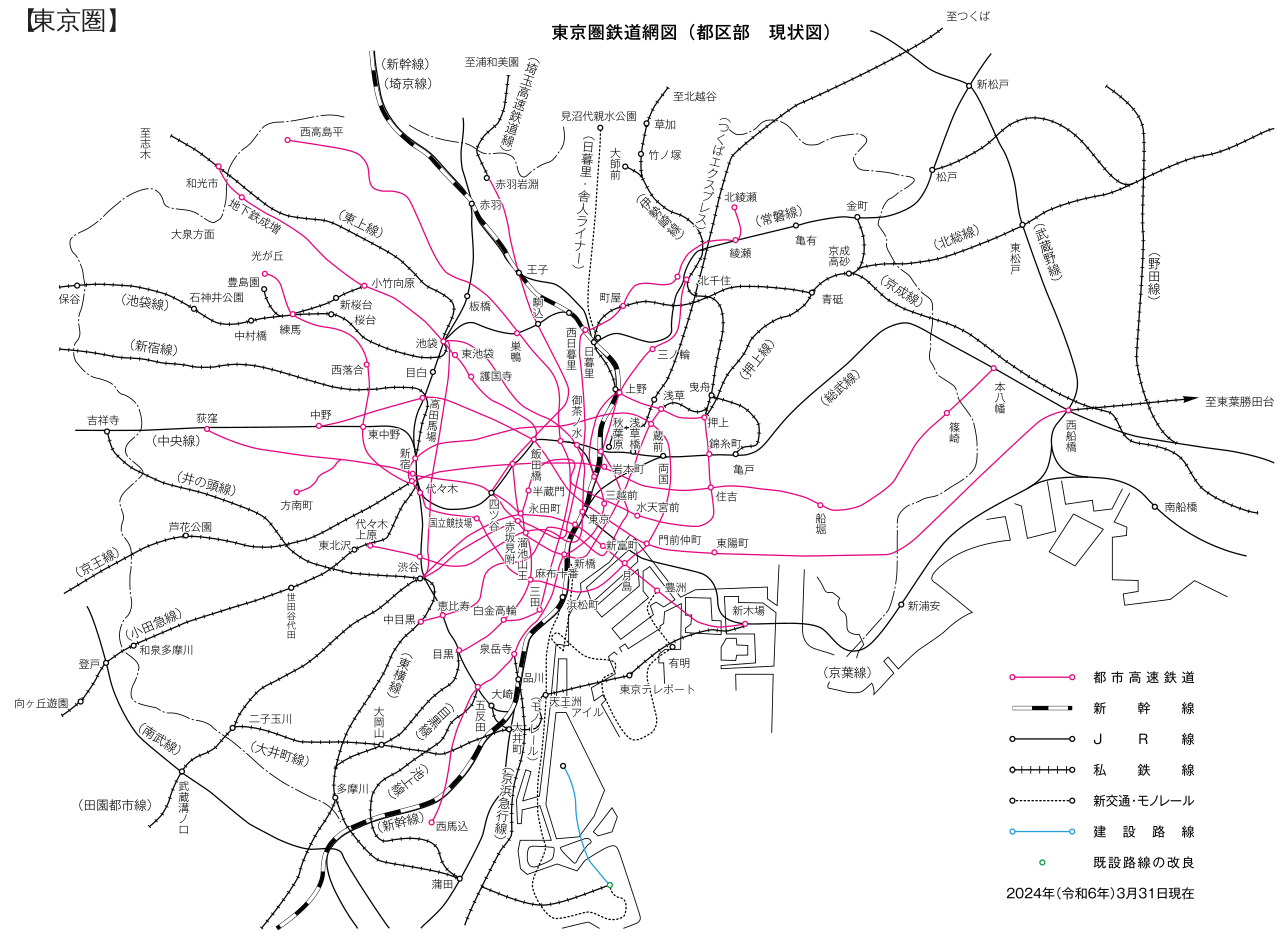
A rail map of Greater Tokyo is a network design problem that has been solved the hard way: many lines, many operators, decades of planning, and the cost of every tunnel argued over. Now imagine handing the same problem to an organism with no brain, a single cell, and a handful of oat flakes.
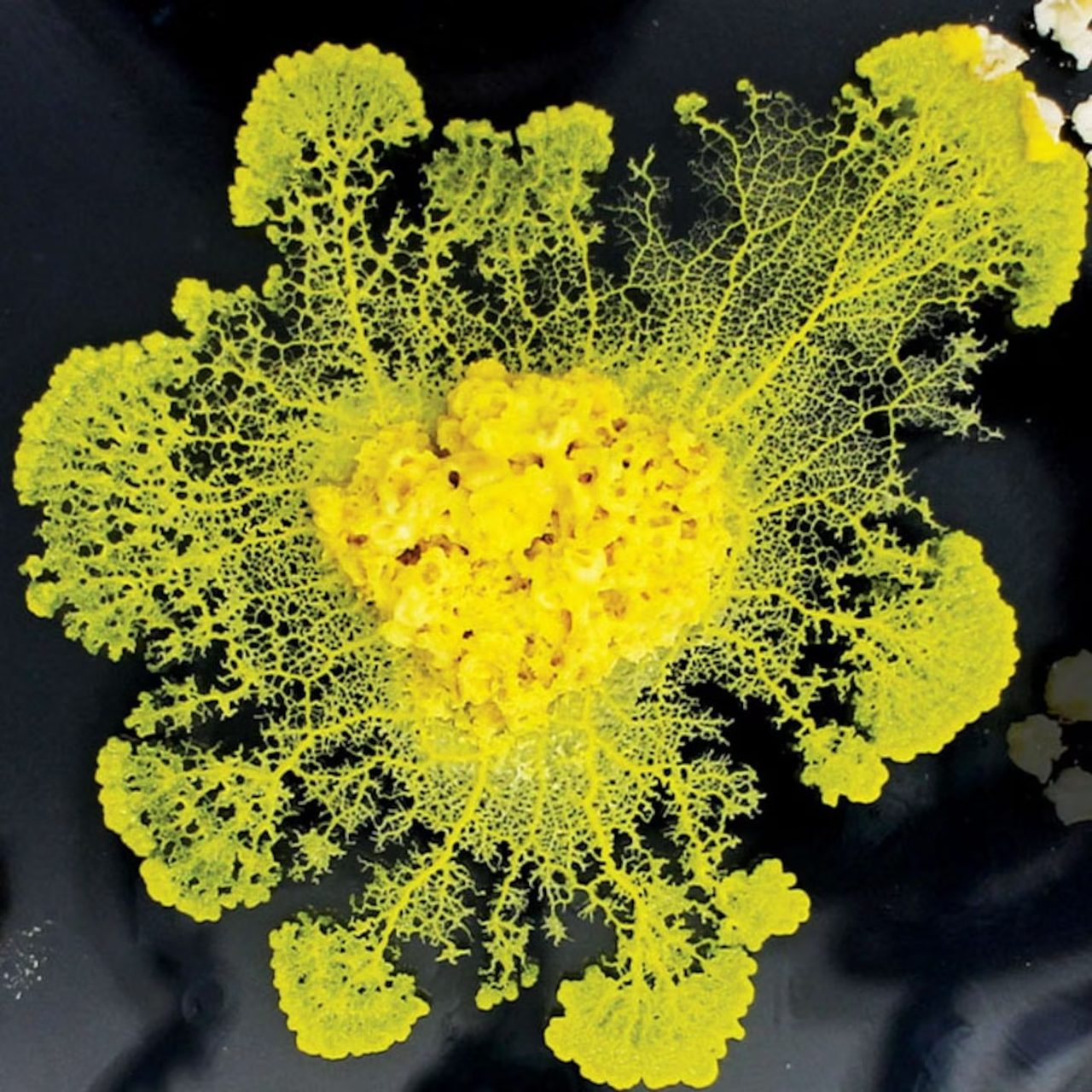
A Physarum polycephalum slime mold on a dark surface: a yellow body with a fine network of tubes spreading outwards, oat flakes at the edge. From the Data-Driven Design workshop presentation; original credit to be confirmed.
A day in the life of a Tokyo network
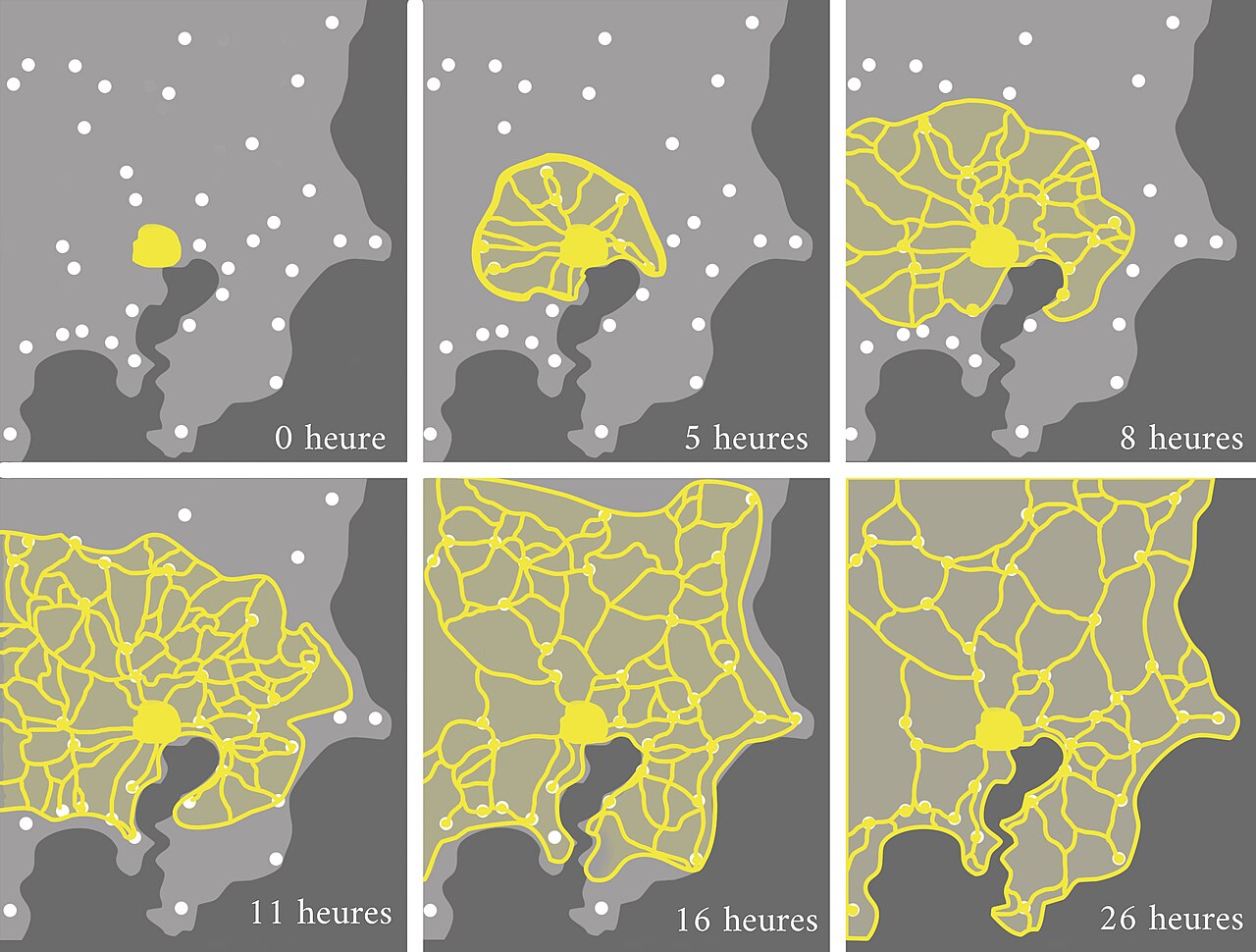
The organism is a slime mold, Physarum polycephalum. In a 2010 study published in Science, researchers placed 36 food sources at the positions of the cities around Tokyo and started the slime mold at Tokyo itself. Light, which the slime mold avoids, was used to keep it off the sea and the mountains.
Then they watched. The slime mold first spreads everywhere, a sheet of tubes reaching for every food source. Over the next day it thins out: tubes that carry a lot of flow grow thicker, and unused ones disappear. What is left is a network.